Krzysztof Cybulski
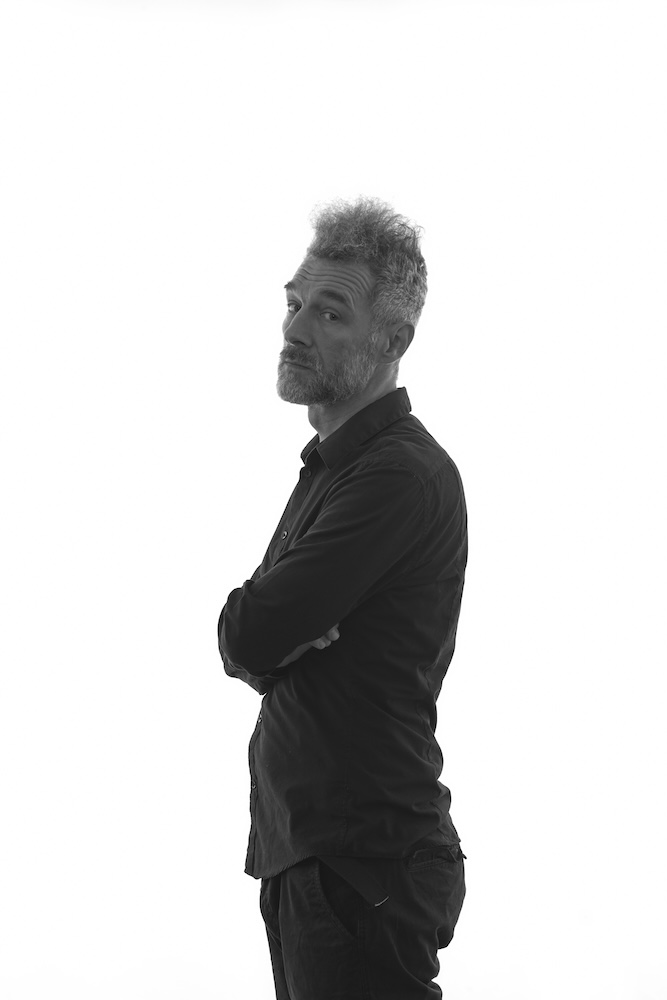
Krzysztof Cybulski is a musician, sound artist, instrument maker, and researcher working at the intersection of music technology, sound, and interactive media. His practice combines analog, digital, acoustic, and mechanical solutions to create interactive sound objects and experimental musical instruments. He received the Polityka Passport Award in the Digital Culture category in 2018 (together with the panGenerator collective, of which he has been a co-founder since 2010), the Second Prize at the Guthman Musical Instruments Competition in 2020, and an Honorary Mention at Ars Electronica in 2017. He has been awarded scholarships from the Polish Ministry of Culture and National Heritage (2017, 2024), the Artistic Scholarship of the City of Warsaw (2019), and has been a recipient of the Composers’ Commissions programme in 2013 and 2015. Cybulski earned his PhD with distinction in Sound Engineering, Composition, and Instrumental Performance from the Fryderyk Chopin University of Music in Warsaw. He teaches courses and leads workshops exploring the intersection of art and technology, including at the Academy of Music in Bydgoszcz, and has delivered guest lectures at institutions such as the Georgia Institute of Technology (USA) and Kunstuniversität Linz (Austria) His work has been presented at numerous international festivals and conferences, including Future Innovators Summit / Ars Electronica Festival (Austria, 2018), Athens Digital Arts Festival (Greece, 2018), the International Conference on New Interfaces for Musical Expression (NIME) (Denmark, 2017; United Kingdom, 2020 and 2025; New Zealand, 2022; the Netherlands, 2024), Ars Electronica (Austria, 2017), the Guthman Musical Instruments Competition (USA, 2014, 2015, 2016, 2020), Warsaw Autumn International Festival of Contemporary Music (2015, 2016, 2019, 2022, 2023), Musica Polonica Nova (2018), WRO Biennale (2015), Ad Libitum (2015), Audio Art (2018, 2024), and Instalakcje (2015). He has collaborated with artists including Emil Schult, Robert Curgenven, Krzysztof Knittel, Anna Zaradny, and Norman Leto.